Rappers Who Went Broke (And Why It Happened)
Hip-hop has made more millionaires than almost any other art form. Artists go from nothing to everything — from growing up with little to suddenly pulling in millions from albums, touring, merch, and endorsements. The image of rap has always been tied to wealth: flashy cars, big chains, mansions, private jets. But behind the shine is a darker truth — a lot of rappers lose it all.
From MC Hammer in the ’90s, to DMX and Bow Wow in the 2000s, to modern cautionary tales like Lil Pump and 6ix9ine, hip-hop has as many stories about money vanishing as it does about empires being built. This isn’t about clowning anyone — it’s about the lessons in those collapses and why money in hip-hop is so hard to hold.
The First Wave: Sudden Wealth, No Playbook
When hip-hop went mainstream in the late ’80s and early ’90s, labels threw huge checks, endorsements flowed, and rap stars became household names. But many didn’t have a roadmap for sudden wealth.
MC Hammer.
Please Hammer Don’t Hurt ’Em (1990) sold over 10 million copies in the U.S. At his peak, Hammer’s net worth was estimated around $30 million. Then came the burn: a $12M mansion, a payroll of 200+ employees, horses, luxury cars, and staggering upkeep. By 1996, he filed for bankruptcy with over $13M in debt.
Vanilla Ice.
“Ice Ice Baby” turned him into a global star, but lawsuits, a lack of follow-up hits, and money missteps caught up. He later stabilized via real estate and home renovation TV, but his arc shows how fast fame-driven wealth can fade.
Lauryn Hill.
After The Miseducation of Lauryn Hill (20M+ sold worldwide), tax issues mounted. In 2013 she served time for owing the IRS over $1.8M. Hill’s case wasn’t excess — it was taxes, a theme that would repeat across the industry.
Early lesson: Hip-hop can make you rich overnight — and clean you out just as fast if the basics (taxes, budgeting, structure) aren’t tight.
2000s Crash Landings: Hits, Headlines, and Heavy Costs
The 2000s were a golden era — CDs, ringtones, endorsements, movie roles. The list of artists who hit financial walls grew anyway.
DMX.
From 1998–2003 he released five consecutive No. 1 albums. Legal issues, substance struggles, and tax debts eventually led to a 2013 bankruptcy filing listing < $50K in assets and > $1M in debt. Despite monumental impact, finances unraveled.
Bow Wow.
A teen superstar who sold millions and led films like Like Mike, he later revealed in 2012 court filings he had only $1,500 in his bank account while facing support obligations. He’s since said money was tied up elsewhere, but the image shocked fans.
Scott Storch (producer).
Worth an estimated $70M at his peak (Dre, 50, Beyoncé, Fat Joe), Storch famously burned fortunes on cars, mansions, jets, and drugs. He filed for bankruptcy in 2009 — and has since worked to rebuild with stricter discipline.
T-Pain.
He says he made around $40M — and lost it. Bad real estate, too many cars, and keeping up appearances drained him. The comeback? Streaming royalties, Twitch, touring, and better financial management.
50 Cent.
Filed Chapter 11 in 2015 after a major judgment. Headlines screamed “broke,” but the move was strategic restructuring. His Vitaminwater windfall, G-Unit holdings, TV/film empire, and spirits businesses kept the balance sheet strong.
Lil’ Kim.
Filed for bankruptcy in 2018 with more than $4M in combined debts and obligations despite her legendary status. Mismanagement and accumulating liabilities forced a reset.
Mid-era lesson: Income volatility + lifestyle creep + legal/tax pressure can overwhelm even the biggest artists without planning and controls.
The Social Era: Viral Streams, Viral Spending
Today, Instagram flexes and streaming checks define the culture — but the fundamentals haven’t changed.
Lil Pump.
A breakout of the SoundCloud wave with “Gucci Gang,” he reportedly signed an $8–12M deal at his peak. As hits slowed, 2021 tax issues surfaced (reports of $1.6M owed). He denied being broke, but consistency remains the question.
6ix9ine.
Massive streaming, even bigger controversy. Legal problems and reputation cut bookings and brand deals. In 2022 he told a court he was struggling financially, reportedly with < $20K in the bank while still flexing online.
Blueface.
“Thotiana” brought viral success; ongoing legal issues and lawsuits eroded momentum and finances.
Fetty Wap.
After a colossal 2015, the hits dried up; legal issues followed, including a 2022 prison sentence. When royalties slow, liabilities don’t.
Modern lesson: Streams can spike income, but without catalog depth, discipline, and clean books, it’s fragile. Social flexing magnifies pressure to overspend.
Why Rappers Go Broke (The Root Causes)
-
Financial literacy gaps. Sudden income without systems. No CFO, no bookkeeper, no tax strategy.
-
Lifestyle overhead. Mansions, cars, jewelry, entourages, monthly burn. When the music slows, costs don’t.
-
Bad contracts. Big advances + recoupment = artists often don’t own their masters or upside.
-
Legal and tax trouble. IRS, lawsuits, and criminal cases drain cash faster than a bad tour.
-
Image pressure. Flexing to maintain status leads to overextension — and debt.
What Works: The Playbook for Building, Not Bleeding
Not every story ends in a filing. Some artists convert fame into durable wealth:
-
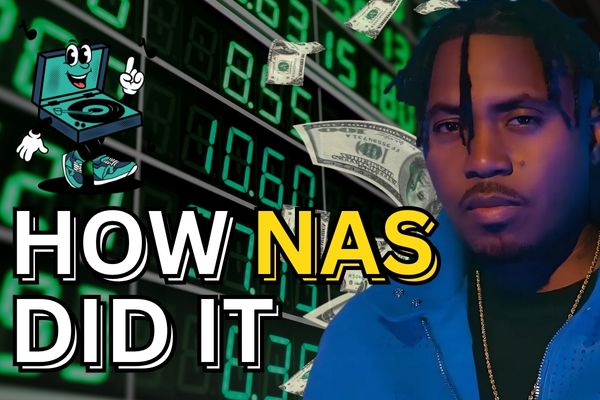
Nas: Early equity in Ring, Coinbase, Dropbox, Robinhood; media via Mass Appeal. Ownership > endorsements.
-
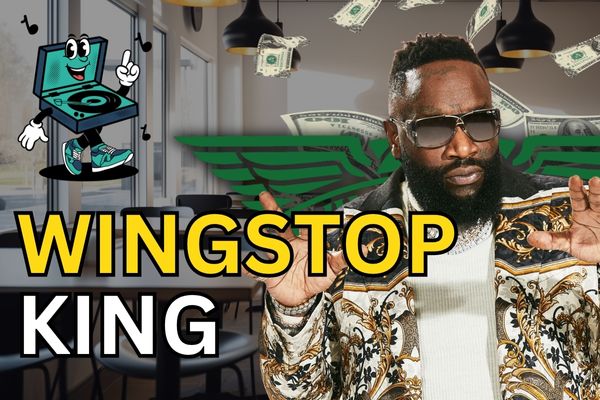
Rick Ross: Wingstop and Checkers franchises, Belaire, Rap Snacks, real estate that cash-flows (filming at “The Promise Land”).
-
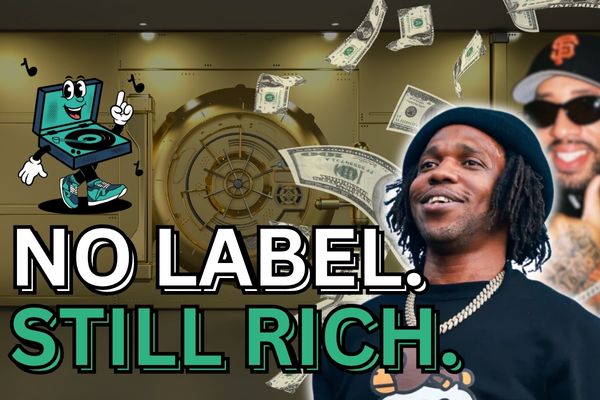
Larry June: Brand-aligned ventures (cafés/boba/merch), lean overhead, relentless catalog.
Winning themes: Ownership, recurring cash flow, boring businesses, tax planning, and teams (lawyer + CPA + fiduciary advisor). Less “new Lambo every quarter,” more “equity comp, K-1s, tax deferral, and rent checks.”
Practical Takeaways (For Artists & Creatives)
-
Hire a real back office. CPA + bookkeeper + business manager + entertainment attorney.
-
Separate church and state. Personal vs. business accounts; pay yourself a salary; track everything.
-
Own something. Catalog, masters, merch brand, franchises, real estate, e-comm.
-
Budget for taxes. Set aside 30–40% of net income; make quarterly payments.
-
Cap lifestyle burn. A flexible lease beats a fragile mortgage. Buy assets that cash-flow.
-
Think longevity. Catalog > singles. Email list > algorithm. Community > virality.
Conclusion: The Money Is Real — So Are the Risks
Hip-hop creates incredible wealth and equally dramatic collapses. From MC Hammer’s $30M peak to DMX’s battles, from Lil Pump’s tax headlines to 6ix9ine’s legal fallout, the cautionary tales are everywhere. Success can come overnight — but without a plan, it can vanish just as fast.
The artists who win long term treat fame like a launchpad, not a finish line: they invest, they own, they plan, and they keep teams around them who say “no” as often as “yes.”
Enjoyed this breakdown? Explore more deep dives into music, money, and the moves that shape the industry. Discover stories behind the hits and the strategies that make them.