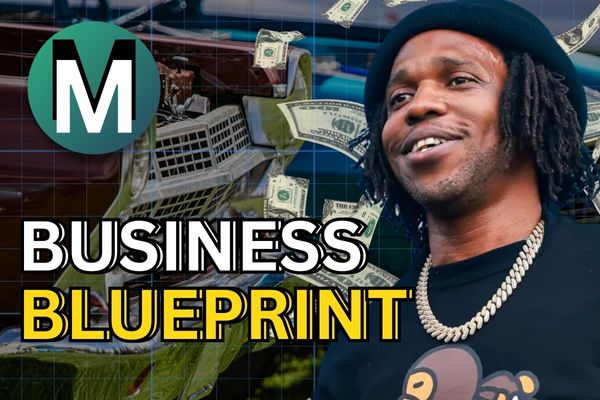
Larry June’s Secret Blueprint: How He Built Hip-Hop’s Healthiest Empire
Larry June has quietly built one of the most sustainable independent empires in hip-hop. He sells out shows, his merch drops move like streetwear, and his businesses keep expanding—all while staying true to his healthy hustler persona.
From music to merch to food, Larry has turned his lifestyle into a brand. In this article, we’ll break down exactly how he did it: the early grind, his decision to reject major labels, his unmatched consistency, the side businesses that keep growing, and the big moves in 2025 that prove independence can truly scale.
This is the Larry June blueprint, and it’s reshaping what success looks like in hip-hop.
Early Years and Breaking Away from Major Labels
Larry June—born Larry Eugene Hendricks III in San Francisco—started like many aspiring rappers: grinding out mixtapes, building a local fanbase, and pushing his sound independently. In 2014, he signed a deal with Warner Records, a dream opportunity for many artists. But the reality didn’t match the dream.
Warner pushed for creative control over his rollouts and image, while Larry wanted freedom. Within a year, he made the bold move to walk away. By rejecting the traditional label system, he kept his masters, brand identity, and independence intact—decisions that still pay dividends today.
Building from the Ground Up: Direct-to-Fan Hustle
Leaving a major label meant starting from scratch. Larry’s answer was simple but powerful: pop-up events.
Instead of chasing radio play, he hit the streets, selling merch and connecting with fans face-to-face. These pop-ups weren’t just meet-and-greets—they were genuine community-building sessions. Every T-shirt and hoodie went directly into his pocket, creating a direct-to-fan business model that cut out middlemen.
Midnight Organic: The Merch Machine
Larry didn’t just treat merch as tour leftovers. He built Midnight Organic, his apparel line, into a brand of its own.
The line reflects his clean, health-focused lifestyle—limited drops, thoughtful design, and no restocks once sold out. This scarcity drives demand, making each release feel like an event. Fans wear Midnight Organic like a badge of identity, much like sneakerheads with Nike SB or skaters with Supreme.
Over time, the line expanded into accessories like aprons, mugs, and camo pants—proving his audience isn’t just buying clothes, they’re buying into a lifestyle.
Consistency as Strategy
In hip-hop, many artists take years between projects. Larry June takes the opposite route. Output over hype.
In 2020 alone, he released six projects, including Adjust to the Game, Cruise USA, Keep Going, and Numbers. This relentless pace kept streams flowing and fans engaged.
DIY Ethic and Creative Control
Larry’s consistency comes from his do-it-yourself ethic. He records almost daily, avoids bloated studio sessions, and keeps his circle tight. In a 2021 interview with Cabbages Hip-Hop, he explained that by controlling his recording schedule, he also controls his product.
No waiting on label executives. No corporate marketing delays. Just wake up, record, release, repeat. This keeps costs low and ensures he owns every move.
Lifestyle as a Brand
Perhaps Larry’s biggest genius is that his music doubles as branding.
Instead of rapping about luxury cars and jewelry, he talks about smoothies, bike rides, passive income, and healthy living. His catchphrases—like “Good job, Larry”—aren’t punchlines. They’re affirmations, creating a unique culture around his music.
Crack Magazine even described him as “a life coach for hip-hop heads.” Fans don’t just listen to Larry June—they aspire to live more like him. That’s brand loyalty most corporations could only dream of.
Expanding the Empire
Larry June’s empire extends far beyond music.
-
Midnight Organic continues to thrive in 2025 with sellout collections.
-
Honeybear Boba, the San Francisco tea shop he co-founded in 2021, remains a local favorite—still getting new five-star Google reviews daily.
-
The Organic Market, his annual fan-focused event, turns Larry’s lifestyle into an in-person experience, blending music, business, and community.
These ventures ensure multiple revenue streams, proving that Larry is just as much an entrepreneur as he is an artist.
2025: Mainstream, On His Own Terms
This year marked a new high point. On February 7, 2025, Larry June dropped Life Is Beautiful, a collaboration album with The Alchemist and 2 Chainz under The Freeminded, ALC, and EMPIRE.
The project grabbed national attention, and Larry even performed the single Life Is Beautiful on The Tonight Show Starring Jimmy Fallon—a huge milestone for an independent artist.
He’s already preparing his next release, Until Night Comes, later this year, continuing his unstoppable pace.
Scaling Without Selling Out
What makes Larry’s journey unique is that he’s scaling while keeping control. His label The Freeminded continues to release his music, while EMPIRE handles distribution. That balance gives him the reach of a major label without sacrificing ownership.
Albums like Orange Print (#125), Spaceships on the Blade (#39), and The Great Escape (#32) prove that independence doesn’t limit chart success.
The Blueprint
Larry June isn’t just an artist. He’s a blueprint for sustainable independence.
-
Walked away from major-label control.
-
Built wealth directly through fans.
-
Turned lifestyle into a long-term brand.
-
Expanded into fashion, food, and events.
-
Proved independence can still hit Billboard charts and late-night TV.
His model isn’t flashy, but it’s powerful. It’s built on ownership, consistency, and authenticity—the foundations of long-lasting success.
Final Thoughts
Larry June’s story shows that you don’t need to sell out to succeed in music. By focusing on authenticity, ownership, and direct fan relationships, he’s carved out one of the most inspiring independent careers in hip-hop.
For rising artists, the lesson is clear: independence isn’t just possible—it’s profitable.
Enjoyed this breakdown? Explore more deep dives into music, money, and the moves that shape the industry. Discover stories behind the hits and the strategies that make them.